What Is Recurrent Shoulder Dislocation?
Recurrent shoulder dislocation happens when your shoulder joint slips out of place more than once. This condition often leads to pain and a feeling of instability. Many people with this problem feel worried about moving their arm. Because the shoulder is the most mobile joint in the body, it is more likely to dislocate again after the first injury. Early treatment can help prevent further damage and improve your quality of life.
Common Symptoms and Causes
People with recurrent shoulder dislocation often notice certain signs. For example, you may feel:
There are several causes for this problem. Most often, it starts with a strong injury, like a fall or sports accident. Sometimes, the tissues that hold the shoulder in place become loose or torn. In other cases, repeated minor injuries can weaken the joint over time. Young athletes and people with loose joints are at higher risk. According to the American Academy of Orthopaedic Surgeons, once you dislocate your shoulder, you are more likely to have it happen again.
Diagnosis Methods
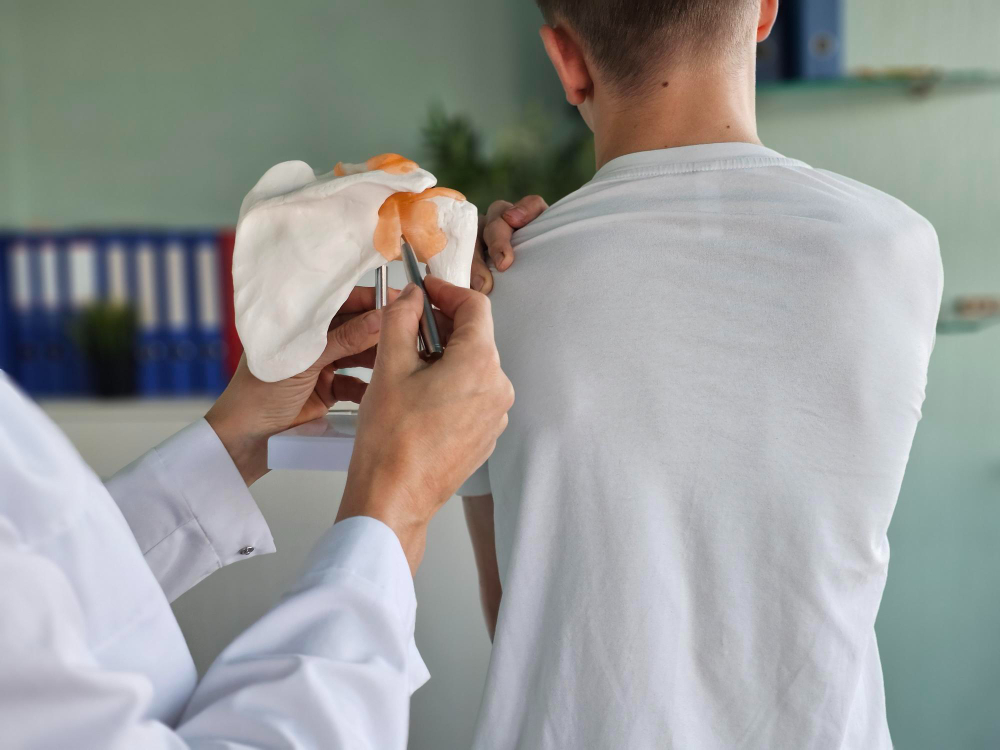
Doctors use several ways to diagnose recurrent shoulder dislocation. First, they will ask about your symptoms and medical history. Next, they will examine your shoulder to check for pain, swelling, and movement. Often, doctors order imaging tests to see inside the joint. These may include:
With these tests, your doctor can find out if you have a torn labrum or other injuries. This helps them choose the best treatment for you.
What Is Arthroscopic Bankart Repair?
Arthroscopic Bankart Repair is a modern surgery for shoulder instability treatment. In this procedure, doctors use a tiny camera and small tools to fix the torn labrum inside your shoulder. The labrum is a ring of cartilage that helps keep your shoulder stable. When it tears, your shoulder can slip out of place again and again. This surgery aims to repair the damage and prevent future dislocations. Because it is minimally invasive, recovery is often faster than with open surgery.
Step-by-Step Overview of the Procedure
During Arthroscopic Bankart Repair, your surgeon follows these steps:
This whole process usually takes about one to two hours. Most patients go home the same day.
Benefits and Risks of Arthroscopic Bankart Repair
There are many benefits to this type of surgery. For example:
However, there are some risks to consider. These may include:
Most people recover well, but it is important to follow your doctor’s advice closely.
Recovery and Rehabilitation Tips
After surgery, recovery is a step-by-step process. At first, your arm will be in a sling to protect the repair. Your doctor will tell you when to start gentle movements. Physical therapy is key for a good recovery. Here are some tips:
With proper care, most people return to normal activities within three to six months. According to peer-reviewed studies, following a rehab plan lowers the risk of another dislocation.
Prevention Strategies and Lifestyle Guidance
Even after successful treatment, you can take steps to protect your shoulder. For example:
In addition, staying active and maintaining a healthy weight can help support your joints. If you notice any new pain or weakness, contact your doctor right away.
Conclusion
Recurrent shoulder dislocation can be painful and limit your daily life. However, Arthroscopic Bankart Repair offers a safe and effective way to restore stability. With the right care and prevention, you can return to your favorite activities. Consult an orthopedic specialist Rajesh Thunuguntla for personalized advice on shoulder dislocation and treatment options.