
Osteoporotic fractures are breaks in bones that happen more easily because the bones are weak. These fractures are common in people with osteoporosis, a condition where bones lose strength and become fragile. As a result, even a small fall or bump can cause a bone to break. Understanding osteoporotic fractures, their causes, and weak bones symptoms can help you protect your bone health. In this blog, you will also find bone health tips to lower your risk.
What Are Osteoporotic Fractures?
Osteoporotic fractures are bone breaks that occur in people with osteoporosis. Osteoporosis is a disease that makes bones thin and weak. Because of this, bones can break from minor accidents or even simple movements. For example, a gentle fall or lifting something heavy can cause a fracture. Most often, these breaks happen in the hip, spine, or wrist. Over time, osteoporosis makes the inside of bones less dense. This loss of bone strength leads to a higher risk of fractures. While anyone can get osteoporosis, it is more common in older adults, especially women.
Common Symptoms of Osteoporotic Fractures
Osteoporotic fractures can show up in different ways. Sometimes, you may not notice symptoms right away. However, certain signs are more common. For instance, you might feel pain or see changes in your body shape.
Because symptoms can be mild, many people do not realize they have a fracture until they get checked by a doctor.
Causes and Risk Factors
Osteoporotic fracture causes are linked to weak bones. As people age, bones naturally lose some strength. However, certain factors make bones weaker faster. For example, women are at higher risk because they lose bone mass quickly after menopause. In addition, family history can play a role. If your parents had osteoporosis, you may be more likely to get it too.
Other risk factors include:
Because these risk factors add up, it is important to know your personal risk and take steps to protect your bones.
How Osteoporotic Fractures Are Diagnosed
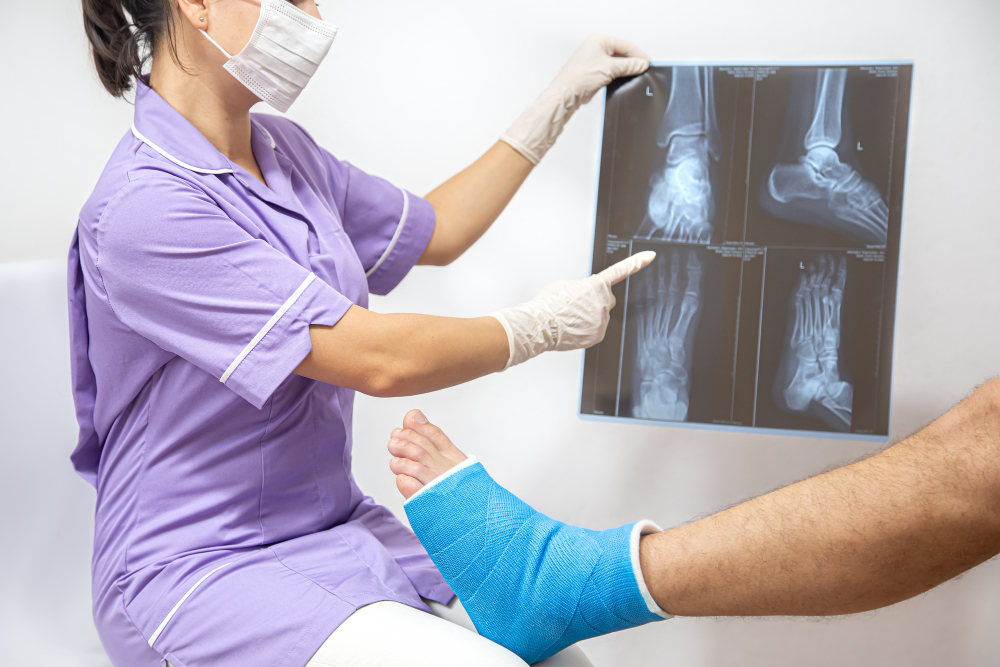
Doctors use several methods to diagnose osteoporotic fractures. First, they may ask about your symptoms and medical history. Next, a physical exam helps check for pain, swelling, or changes in posture. Often, imaging tests like X-rays or MRI scans are used to see broken bones. In addition, a bone density test (DEXA scan) measures how strong your bones are. If your bone density is low, you may have osteoporosis. If you have sudden pain after a fall or notice a change in your height, you should see a doctor. Early diagnosis can help prevent more fractures.
Treatment Options for Osteoporotic Fractures
Treating osteoporotic fractures depends on the type and location of the break. In many cases, doctors use pain medicine, rest, and physical therapy to help bones heal. Sometimes, a brace or cast is needed to keep the bone in place. For more serious fractures, surgery may be required to fix the bone or replace a joint. After treatment, rehabilitation is important. Physical therapy helps you regain strength and move safely. In addition, doctors may prescribe medicines to slow bone loss and improve bone health. These medicines include bisphosphonates and other bone-strengthening drugs. Because recovery can take time, following your doctor’s advice is key for the best results.
Lifestyle Guidance and Prevention
There are many ways to keep your bones strong and lower your risk of osteoporotic fractures. For example, healthy habits make a big difference. Here are some bone health tips:
Because prevention is easier than treatment, taking these steps can help you keep your bones healthy for life. According to the World Health Organization and the CDC, early action and healthy choices are the best ways to prevent osteoporotic fractures.