

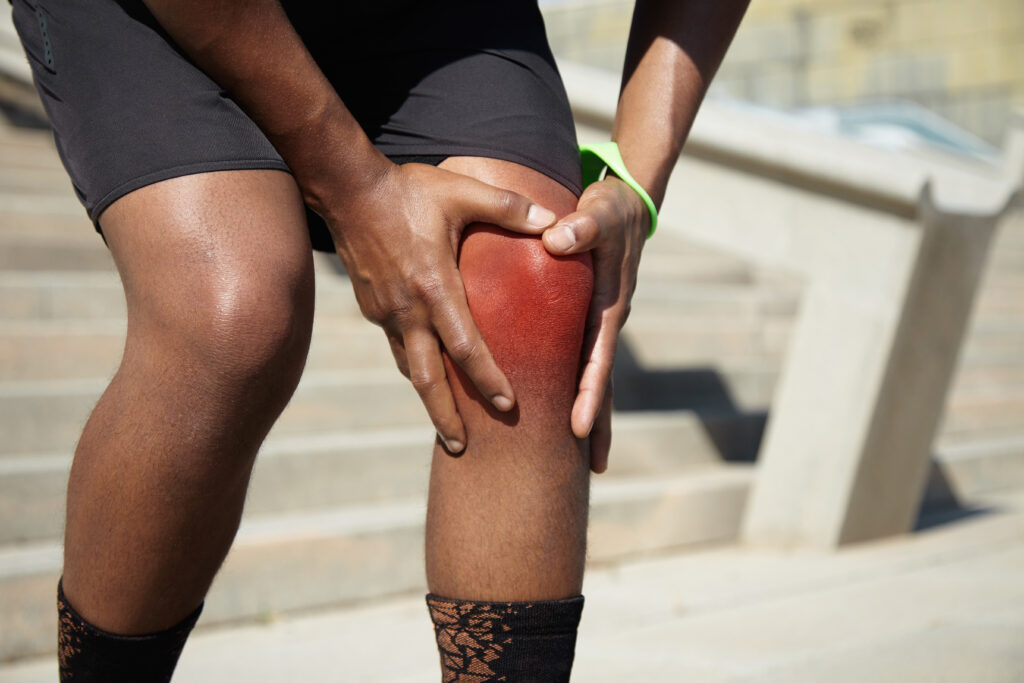
What Are Meniscus Tears?
Meniscus tears are a common knee injury. The meniscus is a piece of cartilage in your knee. It acts like a cushion between your thigh bone and shin bone. When this cartilage gets damaged, it is called a meniscus tear. Many people experience this injury during sports or daily activities. Because the meniscus helps your knee move smoothly, a tear can cause pain and swelling. Orthopedic treatment is often needed for proper healing. According to the American Academy of Orthopaedic Surgeons, meniscus tears are one of the most frequent knee injuries.
Common Symptoms of Meniscus Tears
Meniscus tear symptoms can vary. However, most people notice knee pain and swelling soon after the injury. Sometimes, the knee may feel stiff or hard to move. In many cases, you may hear a popping sound at the time of injury. Below are common signs to watch for:
If you notice these symptoms, it is important to seek medical advice. Early treatment can help prevent further cartilage damage.
Modes of Injury: How Meniscus Tears Happen
Meniscus tears can happen in many ways. Most often, they occur during activities that involve twisting or turning the knee. For example, athletes who play soccer, basketball, or football are at higher risk. Yet, anyone can suffer a meniscus tear, even during simple movements. Here are some common causes:
As you can see, both young athletes and older adults can experience meniscus injuries. In fact, the risk increases with age due to cartilage wear.
Treatment Options for Meniscus Tears
Treatment for meniscus injury depends on the size and location of the tear. Sometimes, small tears heal on their own with rest. However, larger or more severe tears may need medical care. Orthopedic care for knee injuries often includes several options:
In many cases, doctors recommend starting with simple treatments. But if symptoms do not improve, surgery may be needed. For those seeking meniscus tear treatment in their area, local orthopedic clinics can provide expert care.
Prevention and Recovery Tips
While not all meniscus tears can be prevented, you can lower your risk. First, always warm up before exercise. Strong leg muscles help protect your knees. Next, avoid sudden twisting or deep squatting. If you play sports, use proper techniques and wear the right gear. During recovery, follow your doctor’s advice closely. Here are some helpful tips:
With proper care, most people recover well from meniscus tears. However, ignoring symptoms can lead to long-term knee problems.
Conclusion
Meniscus tears are a common cause of knee pain and can affect anyone. Early recognition and proper treatment are key to a full recovery. If you suspect a meniscus tear, consult Dr. Rajesh Thunuguntla for personalized advice and treatment.