
Introduction
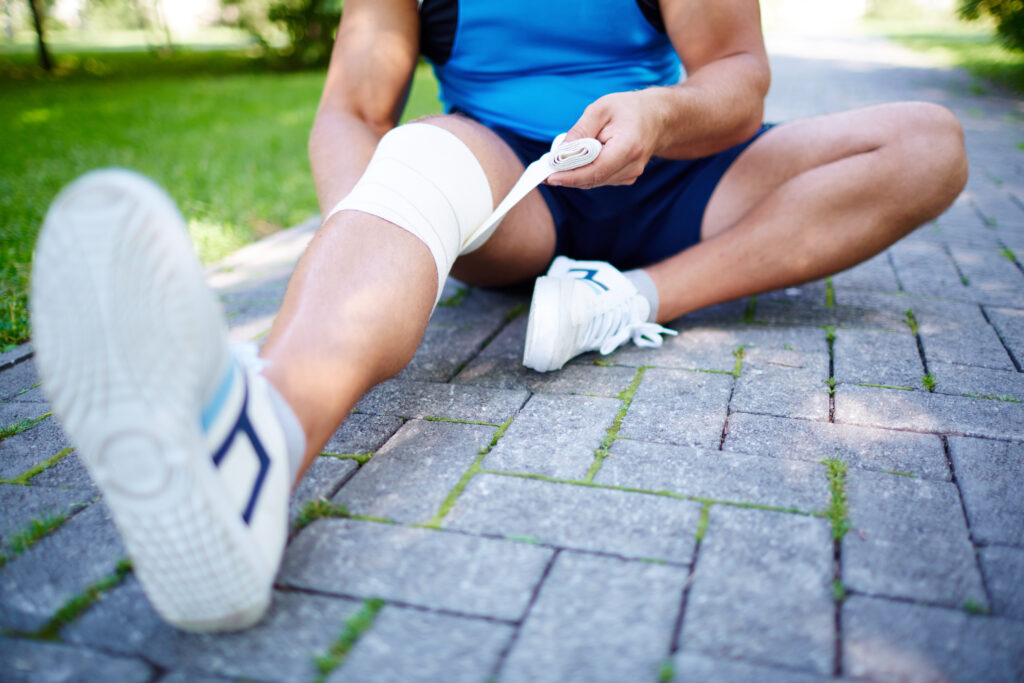
Knee sports injuries are common among athletes and active people. These injuries can happen during running, jumping, or sudden movements. Because the knee is a major joint, an injury can affect daily life. For example, you may find it hard to walk, climb stairs, or play sports. Early care is important, as it can help prevent long-term problems. In many cities, knee sports injuries are a leading reason for doctor visits. Understanding the symptoms, causes, and treatment for knee injuries can help you recover faster.
Common Symptoms
Recognizing knee injury symptoms early can help you get the right care. While some signs appear right away, others may develop slowly. Here are common symptoms of knee sports injuries:
However, not all symptoms mean a serious injury. If pain or swelling lasts more than a few days, you should seek medical advice.
Main Causes
Knee sports injuries can happen for many reasons. Often, they result from sudden twists, falls, or direct hits. Sometimes, overuse can also cause damage. Here are the main causes:
For example, soccer and basketball players often face these risks. But anyone can get a knee injury during sports or exercise.
Diagnosis Methods
Doctors use several methods to diagnose knee sports injuries. First, they ask about your symptoms and how the injury happened. Next, they examine your knee for swelling, pain, or movement problems. In many cases, they may use tests to get a clearer picture. Common diagnosis methods include:
Early diagnosis helps guide the best treatment for knee injuries.
Treatment Options
Treatment for knee injuries depends on the type and severity. For mild injuries, rest and home care may be enough. However, some injuries need medical treatment or even surgery. Common treatment options include:
Always follow your doctor’s advice for the best results. In many cases, early treatment speeds up recovery.
Prevention Tips
Preventing knee injuries is possible with a few simple steps. While no method is perfect, these tips can lower your risk:
In addition, listen to your body. If you notice pain, stop and seek help if needed.
Lifestyle Guidance for Recovery
Recovering from knee sports injuries takes time and care. During this period, you can support healing by following these steps:
Moreover, avoid rushing back to sports. Returning too soon can cause more harm.
When to See a Doctor
Sometimes, knee pain or swelling goes away with rest. However, you should see a doctor if you notice:
Early medical care can prevent further damage and speed up recovery.
For more information, you can visit trusted sources like the CDC or WHO. Consult an orthopedic specialist Dr. Rajesh Thunuguntla for personalized advice on knee sports injuries.