

Introduction
Ankle sprains are common injuries that can happen to anyone. They often occur during sports, walking on uneven ground, or even at home. Because ankle sprains can be painful and slow to heal, prevention is very important. In this guide, you will find ankle sprain prevention tips to help you stay active and safe. Learning how to prevent ankle sprains can keep you moving without worry.
What is an Ankle Sprain?
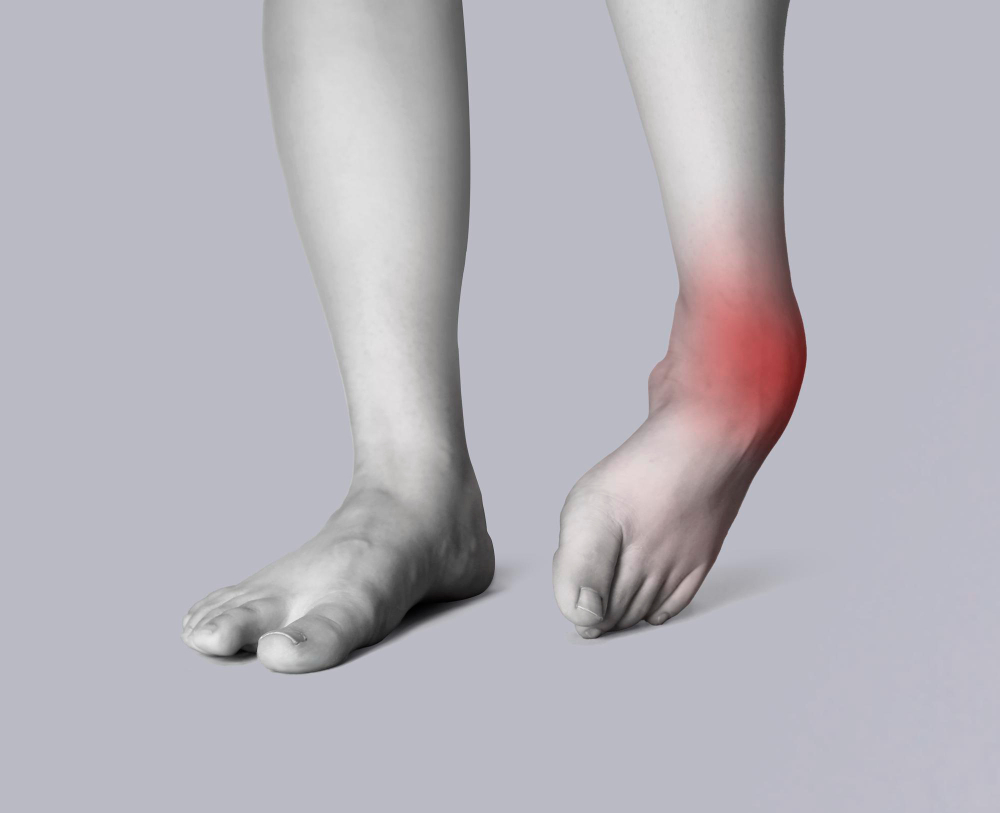
An ankle sprain happens when the ligaments in your ankle stretch or tear. Ligaments are strong bands that hold your ankle bones together. Usually, a sprain occurs when you twist or roll your ankle in an awkward way. For example, stepping on an uneven surface or landing wrong after a jump can cause a sprain. Symptoms often include pain, swelling, bruising, and trouble walking. While most sprains heal with rest, some may need medical care.
Why Prevention Matters
Preventing ankle sprains is important for many reasons. First, a sprain can keep you from daily activities or sports for weeks. Also, repeated sprains can weaken your ankle and increase the risk of future injuries. In some cases, untreated sprains can lead to long-term pain or joint problems. Therefore, taking steps to prevent ankle injuries helps you stay healthy and active. According to the CDC, ankle injuries are one of the most common reasons for emergency room visits among athletes and active adults.
Top Ankle Sprain Prevention Tips
Lifestyle and Exercise Recommendations
Making small changes in your daily routine can reduce your risk of ankle sprains. For instance, adding ankle-strengthening exercises to your workout can make a big difference. Here are some easy ways to protect your ankles every day:
Additionally, if you live in a cold or rainy climate, be extra careful on slippery surfaces. Wearing shoes with good grip can help prevent falls and ankle injuries.
When to Seek Medical Help
Most mild ankle sprains heal with rest, ice, and support. However, you should seek medical help if:
Early treatment can prevent long-term problems and help you recover faster. The American Academy of Orthopaedic Surgeons recommends seeing a doctor for severe or repeated ankle injuries.
Conclusion
In summary, ankle sprain prevention tips can help you stay active and avoid painful injuries. By wearing proper shoes, warming up, and doing balance exercises, you can reduce your risk of ankle sprain. If you have concerns or need advice, consult an orthopedic specialist Dr.Rajesh Thunuguntla for personalized ankle injury prevention guidance.