

Introduction
Many people suffer from ankle sprains. However, some develop ongoing problems called chronic ankle instability. When this happens, the ankle feels weak or gives way often. In some cases, ankle ligament reconstruction is needed to fix the problem. This surgery helps restore strength and stability. If you wonder about ankle ligament surgery or chronic ankle instability treatment, this guide will help you understand your options.
What Is Chronic Ankle Instability?
Chronic ankle instability means your ankle keeps turning or giving out, even after healing from a sprain. Usually, this happens when the ligaments—strong bands that hold your ankle bones together—are stretched or torn. Over time, the ankle may feel wobbly or weak. As a result, walking on uneven ground or playing sports becomes risky. According to the American Academy of Orthopaedic Surgeons, about 20% of people with ankle sprains develop chronic instability.
Causes and Risk Factors
Several things can lead to chronic ankle instability. Often, it starts with a bad ankle sprain. But, there are other causes and risk factors, including:
Because of these factors, some people are more likely to develop ankle problems than others.
Symptoms and Diagnosis
Chronic ankle instability has clear signs. For example, you may notice:
Doctors diagnose this problem by asking about your symptoms and checking your ankle. Sometimes, they use X-rays or MRI scans to look for ligament damage. Early diagnosis helps prevent further injury.
When Is Surgery Needed?
Most people try non-surgical treatments first. These include rest, physical therapy, and braces. However, if your ankle keeps giving out or you cannot return to normal activities, surgery may be needed. In fact, ankle ligament reconstruction is often recommended when:
Therefore, if you wonder when to consider ankle surgery, talk to your doctor about your symptoms and daily challenges.
What Is Ankle Ligament Reconstruction?
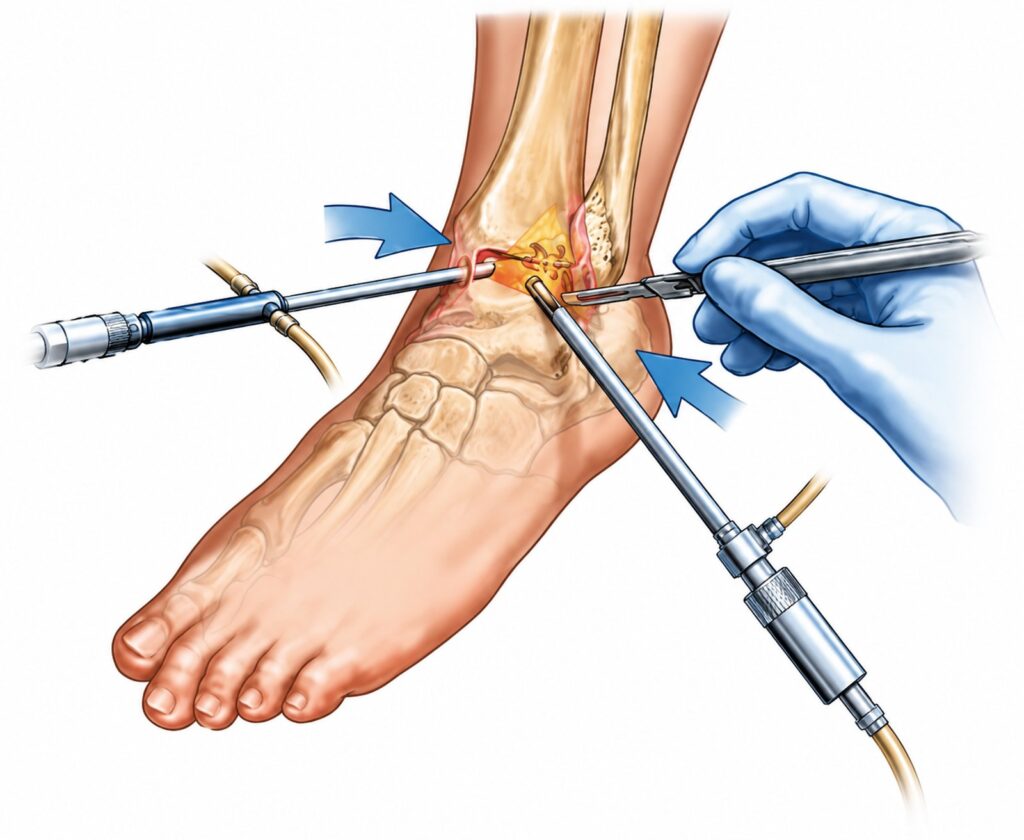
Ankle ligament reconstruction is a surgery to repair or replace damaged ligaments. The goal is to make the ankle stable again. Sometimes, the surgeon tightens your own ligaments. Other times, they use tissue from another part of your body. This procedure is safe and helps many people return to sports or daily life without fear of injury. According to the American Orthopaedic Foot & Ankle Society, most patients see good results after this surgery.
The Surgical Procedure: What to Expect
Before surgery, your doctor will explain the steps. Usually, the procedure takes about one to two hours. Here is what you can expect:
After surgery, you will rest in a recovery area. Because each case is different, your doctor will give you detailed instructions for care at home.
Recovery and Rehabilitation
Recovery from ankle ligament reconstruction takes time. At first, you may need crutches to avoid putting weight on your ankle. Usually, a cast or boot protects your ankle for several weeks. Physical therapy starts soon after to help you regain strength and movement. Most people return to normal activities within three to six months. However, following your doctor’s advice is key for a smooth recovery. For example, doing your exercises and attending follow-up visits help prevent future problems.
Prevention and Lifestyle Tips
Even after surgery, you can take steps to protect your ankle. Here are some helpful tips:
Because prevention is important, these habits can lower your risk of future injuries.
Frequently Asked Questions
Is ankle ligament reconstruction safe?
Yes, this surgery is safe for most people. However, like any surgery, there are small risks. Your doctor will discuss these with you.
How long does recovery take?
Most people recover in three to six months. However, some may need more time, especially if they play sports.
Will I need physical therapy?
Yes, physical therapy is important. It helps you regain strength and movement in your ankle.
Can chronic ankle instability return after surgery?
It is rare, but possible. Following your doctor’s advice and doing exercises can help prevent this.
Where can I get ankle ligament reconstruction?
Many orthopedic clinics and hospitals offer ankle ligament reconstruction in your area. Ask your doctor for a referral to a specialist.
Conclusion
Chronic ankle instability can limit your daily life. However, ankle ligament reconstruction offers a lasting solution when other treatments fail. If you have ongoing ankle problems, consult an orthopedic specialist Dr. Rajesh Thunuguntla for personalized advice on ankle ligament reconstruction.