

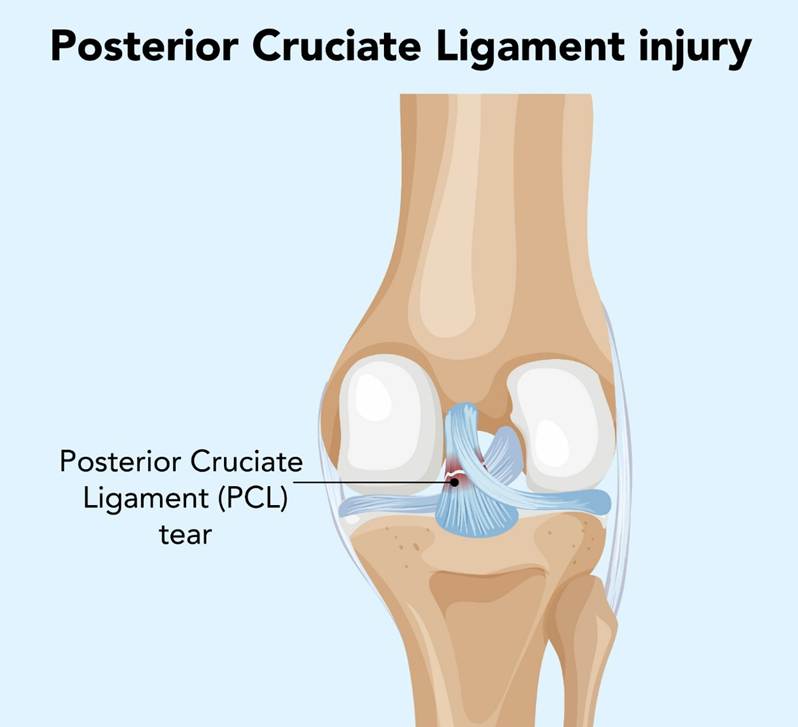
What is a PCL Injury?
The posterior cruciate ligament (PCL) is a strong band of tissue in your knee. It connects the thigh bone to the shin bone. A PCL injury happens when this ligament stretches or tears. Often, PCL injuries occur during sports or accidents. While the PCL is less likely to get hurt than the ACL, it is still important for knee stability. Because the PCL helps keep your knee steady, an injury can make walking or running harder.
Common Symptoms of PCL Injuries
PCL tear symptoms can vary. Sometimes, people do not notice them right away. However, you may feel pain or swelling in your knee. Other signs include:
Knee pain, especially at the back of the knee
Swelling that appears soon after the injury
Feeling like your knee is unstable or may give out
Difficulty walking or bending the knee
Stiffness or trouble moving the knee fully
In some cases, symptoms are mild. But, if you notice these signs, you should see a doctor.
Causes and Risk Factors
PCL injuries often happen during sports or car accidents. For example, falling on a bent knee or getting hit on the front of the knee can cause a PCL tear. Some common causes include:
Direct blow to the knee, such as during football or soccer
Car accidents, especially when the knee hits the dashboard
Falling hard on a bent knee
Additionally, certain factors can raise your risk. These include playing contact sports, having weak leg muscles, or not warming up before exercise. Because knee ligament injuries are common in athletes, it is important to take care during sports.
How PCL Injuries are Diagnosed
Doctors use several steps to diagnose a PCL injury. First, they ask about your symptoms and how the injury happened. Next, they examine your knee for swelling, tenderness, and movement. Often, doctors use special tests to check for looseness in the knee. In many cases, imaging tests help confirm the diagnosis. These may include:
X-rays to rule out broken bones
MRI scans to see the PCL and other knee ligaments
Because early diagnosis helps with treatment, you should see a doctor if you suspect a PCL injury.
Treatment Options for PCL Injuries
PCL injury treatment depends on how severe the tear is. Many mild injuries heal without surgery. However, severe tears or combined knee ligament injuries may need surgery. Common treatment options include:
Rest and Ice: Rest your knee and use ice to reduce swelling.
Compression and Elevation: Wrap your knee and keep it raised.
Physical Therapy: Exercises help restore strength and movement.
Bracing: A knee brace can support your knee as it heals.
Pain Relief: Over-the-counter pain medicine can help manage discomfort.
Surgery: In some cases, doctors repair or reconstruct the PCL. Surgery is more common for severe or combined injuries.
Because each case is different, your doctor will suggest the best treatment for you.
Recovery and Lifestyle Tips
Recovery from a PCL injury can take weeks or months. However, following your doctor’s advice helps speed up healing. Here are some tips:
Follow your physical therapy plan closely
Use crutches or a brace if recommended
Gradually return to normal activities
Strengthen your leg muscles to support your knee
Listen to your body and avoid pushing through pain
Because recovery is different for everyone, regular check-ins with your doctor are important.
Prevention Strategies
While not all PCL injuries can be prevented, you can lower your risk. For example, you can:
Warm up before sports or exercise
Wear proper shoes and safety gear
Strengthen your leg and knee muscles
Practice good technique during sports
Avoid risky movements or sudden stops
Because prevention is key, these steps can help protect your knees from injury.
In summary, PCL injuries can affect your knee’s stability and movement. Early diagnosis and proper treatment are important for a full recovery. Consult Dr Rajesh Thunuguntla, an orthopedic specialist for personalized advice on PCL injuries.