
Introduction
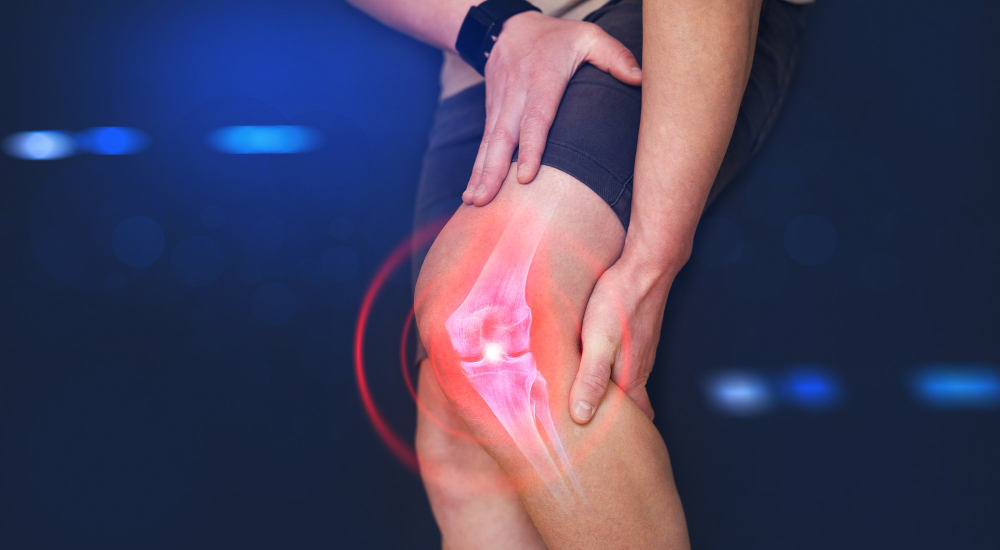
Knee pain can affect your daily life. Cartilage injuries of the knee are a common cause. These injuries happen when the smooth tissue in your knee gets damaged. Early treatment for knee cartilage damage is very important. Without quick care, these injuries can lead to arthritis. In fact, many doctors say that early treatment for knee injuries helps prevent long-term problems. This blog will explain why acting fast matters and how you can protect your knees.
What Are Cartilage Injuries of the Knee?
Cartilage is a smooth, rubbery tissue. It covers the ends of bones in your knee. This tissue helps your knee move easily. However, when cartilage gets hurt, it cannot heal well on its own. Cartilage injuries of the knee can happen from sports, falls, or simple wear and tear. Because cartilage does not have its own blood supply, healing is slow. That is why early treatment for knee injuries is so important.
Common Symptoms and Causes
Many people do not notice cartilage injuries right away. But over time, symptoms can get worse. For example, you might feel:
There are several causes of knee cartilage damage. These include:
Sometimes, even a small injury can lead to bigger problems if not treated early.
How Cartilage Injuries Lead to Arthritis
When cartilage is damaged, the knee loses its smooth surface. As a result, bones may rub together. Over time, this can cause swelling and pain. If left untreated, the damage can get worse. Eventually, this leads to arthritis. Arthritis means the joint becomes stiff, swollen, and painful. Early treatment for knee cartilage injuries can stop this process. In fact, studies show that quick care lowers the risk of arthritis later in life.
Diagnosis: How Doctors Identify Cartilage Injuries
Doctors use several ways to find out if you have a cartilage injury. First, they will ask about your symptoms and how the injury happened. Next, they will examine your knee for swelling, pain, or movement problems. Sometimes, doctors use imaging tests, such as:
With these tools, doctors can find the exact spot and size of the injury. Early diagnosis helps guide the best treatment plan.
Treatment Options: Why Early Care Matters
Early treatment for knee injuries can make a big difference. The right care can help your knee heal and prevent arthritis. Treatment options may include:
Because cartilage does not heal well on its own, early orthopedic care for cartilage injuries is key. Acting quickly can help you avoid long-term knee problems.
Prevention Tips and Lifestyle Guidance
Although not all injuries can be prevented, you can lower your risk. For example, you can:
In addition, listen to your body. If you feel pain or swelling, rest and seek advice. Preventing knee arthritis starts with small steps every day.
When to See an Orthopedic Specialist
Sometimes, home care is not enough. You should see an orthopedic specialist if:
Early treatment for knee injuries is best. Orthopedic care for cartilage injuries can help you recover faster and prevent arthritis. If you live in your city, look for trusted orthopedic care in your area.
Conclusion
To sum up, cartilage injuries of the knee can lead to arthritis if not treated early. Quick action helps protect your knee and keeps you active. Do not ignore knee pain or swelling. Consult an orthopedic specialist Dr. Rajesh Thunuguntla for personalized advice and early intervention.