What is a SLAP Tear?
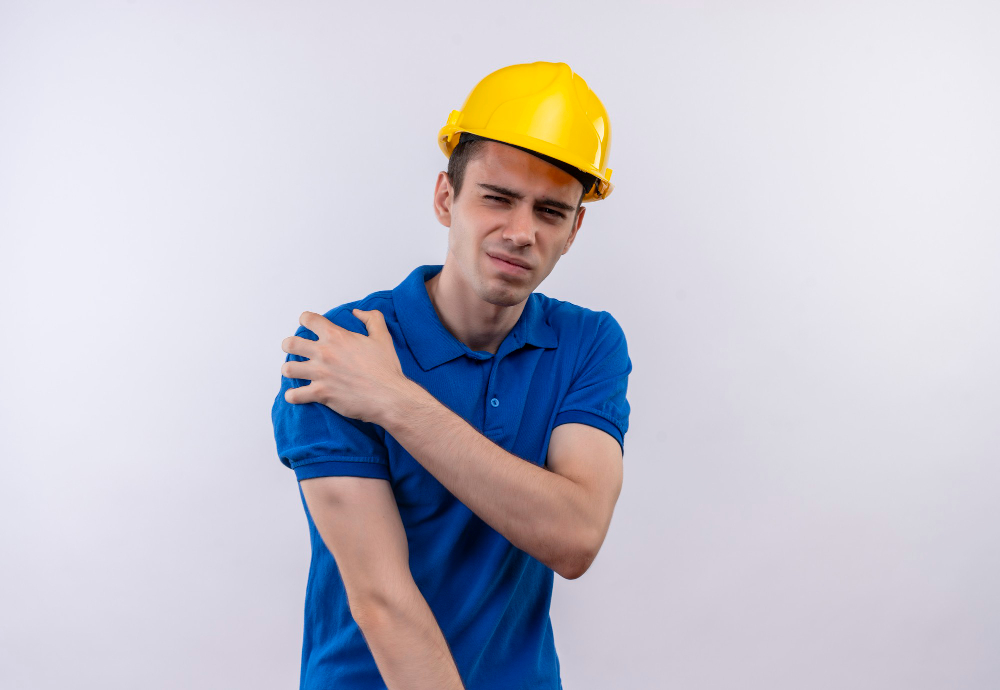
A SLAP tear is a type of shoulder labrum injury. The labrum is a ring of cartilage that helps keep your shoulder joint stable. SLAP stands for “Superior Labrum Anterior and Posterior.” This means the tear happens at the top part of the labrum, where the biceps tendon attaches. Many athletes and overhead workers miss this injury because the symptoms can be mild at first. However, if left untreated, a SLAP tear can cause ongoing pain and weakness.
Common Symptoms of SLAP Tears
Often, people do not notice a SLAP tear right away. But over time, certain signs may appear. For example, you might feel pain or weakness in your shoulder. Other symptoms can include:
Sometimes, these symptoms are mild. As a result, athletes and workers may ignore them, thinking it is just a minor strain.
Causes and Risk Factors
SLAP tears often happen from repeated shoulder use. Athletes who throw, swim, or lift weights are at higher risk. Overhead workers, such as painters or construction workers, also face this risk. In addition, a sudden injury, like falling on an outstretched arm, can cause a SLAP tear. Age can also play a role, since the labrum can wear down over time.
Key risk factors include:
Because these activities are common, many people do not realize they have a shoulder labrum injury until symptoms get worse.
How SLAP Tears are Diagnosed
Doctors use several steps to diagnose a SLAP tear. First, they ask about your symptoms and how the injury happened. Next, they examine your shoulder for pain, movement, and strength. Sometimes, special tests help check for a labrum injury. For example, your doctor may move your arm in certain ways to see if it causes pain.
Often, imaging tests are needed. An MRI scan can show details of the labrum and other shoulder parts. In some cases, doctors use a dye during the MRI to see the tear more clearly. X-rays may also be used to rule out bone problems. According to the American Academy of Orthopaedic Surgeons, a full diagnosis may require a combination of these methods.
Treatment Options for SLAP Tears
Treatment for a SLAP tear depends on how severe the injury is. For mild cases, rest and physical therapy may help. Your doctor may suggest:
If these steps do not help, or if the tear is large, surgery may be needed. Surgeons can repair the labrum using small tools through tiny cuts. This is called arthroscopic surgery. Most people recover well after surgery, but rehab is important for full healing.
Prevention Tips for Athletes and Overhead Workers
Although not all SLAP tears can be prevented, you can lower your risk. For instance, you can:
By following these tips, you can help protect your shoulders from injury.
Recovery and Lifestyle Guidance
After a SLAP tear, recovery takes time. With proper care, most people return to normal activities. However, it is important to follow your doctor’s advice. For example, you may need to avoid heavy lifting or sports for several weeks. Physical therapy can help restore strength and movement. In addition, eating a healthy diet and getting enough sleep can support healing.
Remember, rushing back to activity too soon can cause more damage. Instead, take it slow and let your shoulder heal fully. If you have questions, your healthcare team can guide you through each step.
Conclusion
SLAP tears are a common shoulder labrum injury, especially for athletes and overhead workers. Because symptoms can be mild, many people miss the early signs. But with the right care, most people recover well. If you notice shoulder pain or weakness, do not ignore it. Consult an orthopedic specialist Dr. Rajesh Thunuguntla for personalized advice if you suspect a SLAP tear.